
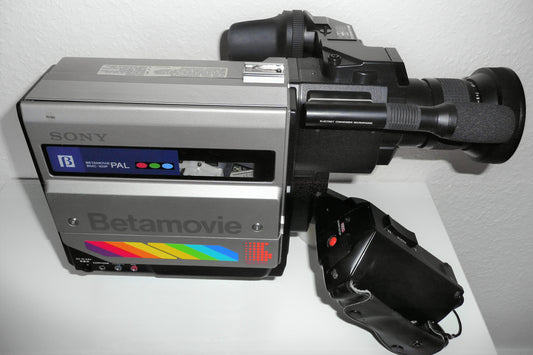
Digital cinema cameras have revolutionized the way filmmakers capture stories, offering unprecedented flexibility, image quality, and accessibility. From the early days of standard definition video to today's 8K RAW capabilities, the journey has been nothing short of remarkable.
The Early Days: Standard Definition Video
The transition from film to digital began in earnest during the late 1990s. Early digital cameras like the Sony DVW-700 offered filmmakers an alternative to expensive film stock, though the image quality was still far from matching celluloid. These cameras recorded to tape formats and offered limited dynamic range, but they planted the seeds for a digital revolution.
HD Revolution: 2000-2010
The introduction of HD cameras marked a turning point for digital cinema. The Sony CineAlta HDW-F900, famously used by George Lucas for "Star Wars: Episode II - Attack of the Clones" (2002), demonstrated that digital could achieve theatrical-quality results. This era saw the emergence of cameras like the Panavision Genesis and the Thomson Viper, which began to convince skeptics that digital was a viable alternative to film.
The RED Revolution
RED Digital Cinema's introduction of the RED ONE in 2007 fundamentally changed the industry. For the first time, filmmakers could capture 4K RAW footage at a price point accessible to independent productions. The camera's modular design and commitment to high resolution influenced every manufacturer that followed. Films like "The Social Network" and "The Girl with the Dragon Tattoo" showcased the RED's cinematic capabilities.
ARRI Alexa: The New Standard
When ARRI introduced the Alexa in 2010, it quickly became the industry standard for high-end productions. The Alexa's exceptional color science and dynamic range earned it a reputation for delivering footage that closely resembled film. Its organic look and reliability made it the go-to choice for major studio productions, commercials, and television series.
The Rise of Large Format
Recent years have seen a shift toward large format sensors. Cameras like the ARRI Alexa LF, RED Monstro 8K VV, and Sony VENICE have brought full-frame and larger sensors to cinema. This trend has enabled filmmakers to achieve shallower depth of field and more immersive imagery, while maintaining the high resolution needed for modern distribution.
Current State: 8K and Beyond
Today's digital cinema cameras offer capabilities that would have seemed impossible just a decade ago. 8K resolution, 16+ stops of dynamic range, high frame rates, and compact form factors are now standard features. The RED RAPTOR 8K VV and ARRI ALEXA 35 represent the current pinnacle of digital cinema technology.
What's Next?
The future of digital cinema continues to evolve rapidly. We're seeing increased integration of computational photography, AI-assisted features, and virtual production capabilities. Global shutter sensors are becoming more common, eliminating rolling shutter artifacts. The line between acquisition and post-production continues to blur, with cameras offering real-time color grading and effects.
At Klear Optics & Digital, we're proud to offer a range of cameras that represent this incredible evolution in technology. From the RED Komodo to the ARRI Alexa Mini LF, our inventory includes tools that enable filmmakers to bring their visions to life with unprecedented quality and flexibility.