
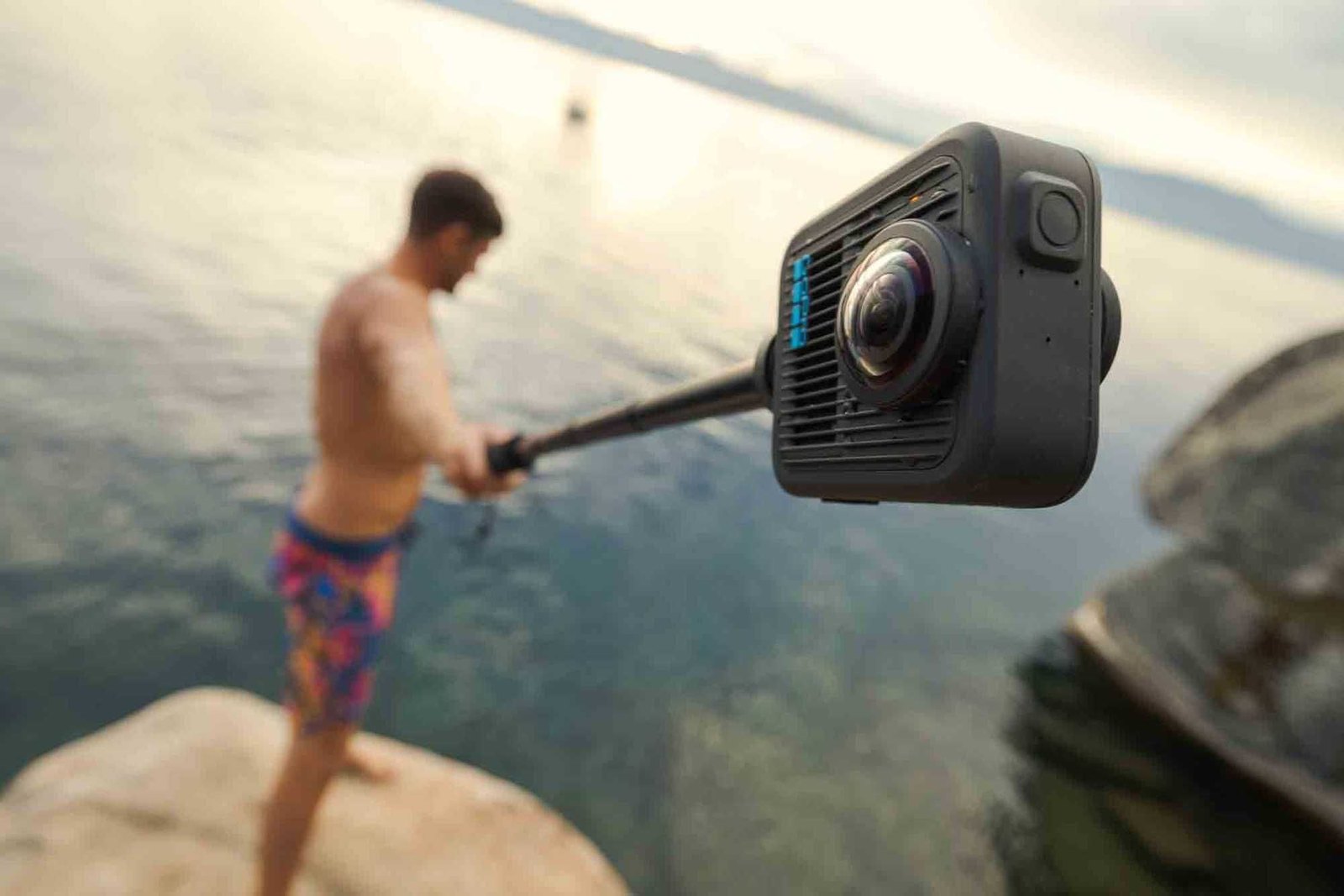
GoPro has announced a merger with Starman Optical to recapitalize and reposition the company. The deal aims to address GoPro’s outstanding debt of nearly $100 million by having it repaid in full at closing. Despite the merger, GoPro will remain publicly listed on Nasdaq and continue supporting its consumer products and subscription services. Founder Nicholas Woodman expressed optimism about combining with Starman Optical to play a role in America's future production capabilities. Charles Tebele of Starman Holding emphasized intentions to bring critical component manufacturing back to the United States.
GOPRO MERGES WITH STARMAN OPTICAL TO RECAPITALIZE
GoPro has announced its merger with Starman Optical, aiming to recapitalize and repurpose the company after launching its new Mission 1 PRO cinema camera line. The deal emphasizes that GoPro will remain a publicly traded entity, suggesting ongoing product development and support for existing equipment. This move could secure the financial stability needed for future innovations in action cameras and related gear.
For working DPs, camera operators, and producers, this merger means continued access to GoPro's lineup of products, including the latest Mission Pro 1 series. It also implies that the company will continue to provide necessary support for current users while exploring new opportunities through Starman Optical’s resources. The impact on day-to-day shoots is likely minimal, with existing workflows remaining intact as GoPro integrates its operations with those of Starman Optical.
GOPRO CONTINUES SUPPORT FOR CONSUMER PRODUCTS
GoPro’s merger with Starman Optical aims to bring critical component production back to the United States according to Charles Tebele, CEO of Starman Holding. This move signals an effort to stabilize and redirect GoPro's financials for sustained product development. The company will continue supporting its existing lineup while integrating new resources from Starman Optical.
For DPs, camera operators, and producers, this means no immediate changes in their workflow with GoPro equipment. Users can expect ongoing support and updates as the companies merge operations. The merger does not affect current products or services offered by GoPro, which keeps continuity for those relying on its action cameras and accessories.
STARMAN AIMING TO PRODUCE IN USA
Charles Tebele, CEO of Starman Holding, has announced that one of the primary goals of the merger between GoPro and Starman Optical is to bring critical component production back to the United States. This shift aims to stabilize GoPro’s financial situation by reducing dependency on overseas manufacturing costs and supply chain disruptions. The decision reflects a strategic move towards localized production to manage outstanding debt, which was nearly $100 million before the merger.
For day-to-day shoots, this change means minimal disruption for DPs, camera operators, and producers who rely on GoPro’s equipment. Existing workflows will remain largely unchanged as both companies integrate their operations. The focus now shifts towards leveraging Starman Optical’s resources to enhance product development and ensure continued support for current users without altering the existing product lineup or services offered by GoPro. This strategic move could lead to more reliable supply chains and potentially lower costs in the long term, benefiting those who use GoPro products on a regular basis.
IMPACT ON RENTAL AND SHOOTING GEAR FOR DPs
Nicholas Woodman, GoPro’s founder and CEO, expressed optimism about the merger with Starman Optical, emphasizing their role in America's future. The new company will likely take more control over operations as it integrates resources to improve product development and support for users without altering existing products or services. This move aims to reduce reliance on overseas manufacturing by bringing critical component production back to the United States.
For rental houses like Klear Optics & Digital, this means minimal disruption in equipment availability and usage. DPs, camera operators, and producers can continue using GoPro’s action cameras as usual, with no immediate changes to workflow or product offerings. The merger’s primary impact will be on supply chain stability, potentially leading to more reliable inventory management for rental houses and lower costs over time.