
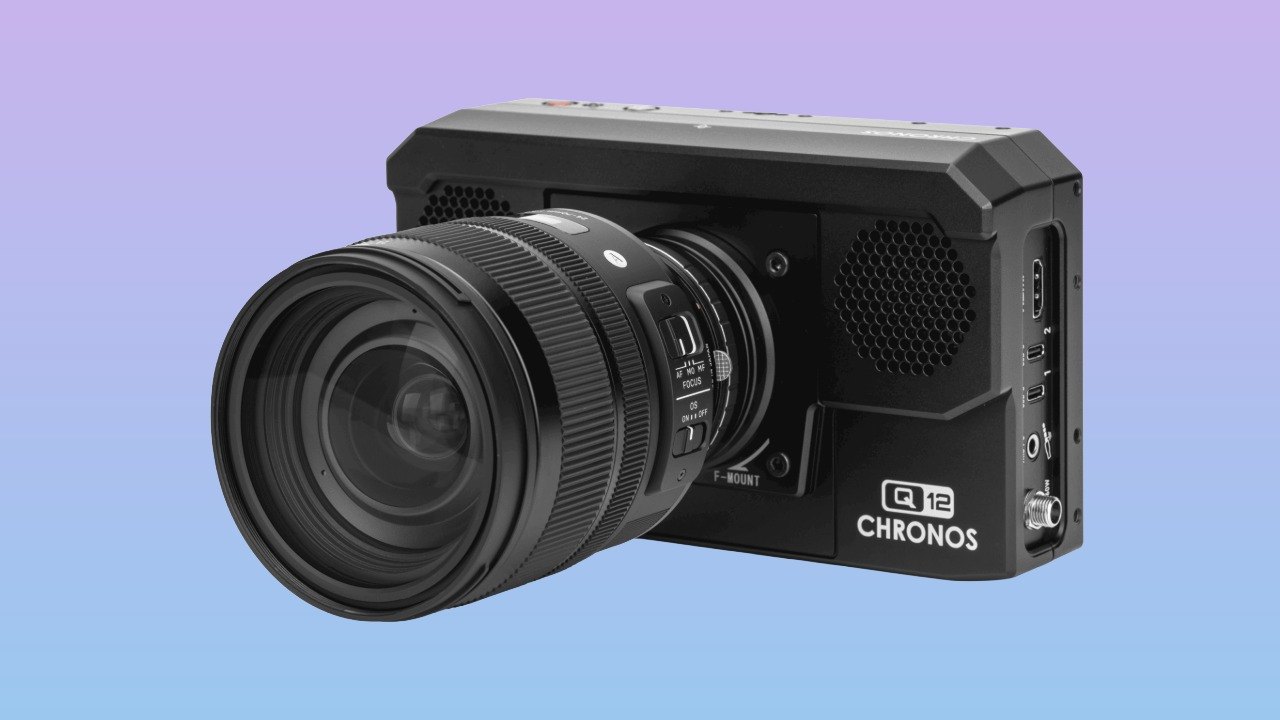
Kron Technologies has released the Chronos Q12, a high-speed camera that records at up to 2,313 fps in 8-bit or 10-bit and 975 fps in 12-bit RAW resolution of 2560 x 2016. The sensor measures 23.04 x 18.14mm with a 1.5x crop factor, offering global shutter from ISO 80 to 640. At full resolution, the 64GB model captures for 5.7 seconds and the 128GB version for 11.5 seconds before saving footage as CinemaDNG RAW, TIFF, or H.264/H.265 to an internal SSD, SD card, USB-C SSD, or network share.
Chronos Q12 Specs Revealed
Chronos Q12 records at 2560 × 2016 resolution up to 2,313 fps and can reach 29,515 fps at its smallest window size. The camera’s native resolution has increased by 512 columns of pixels compared to the original spec, with a throughput now set at 11.9 gigapixels per second. It also offers a 10-bit mode that sits between 8-bit and 12-bit options.
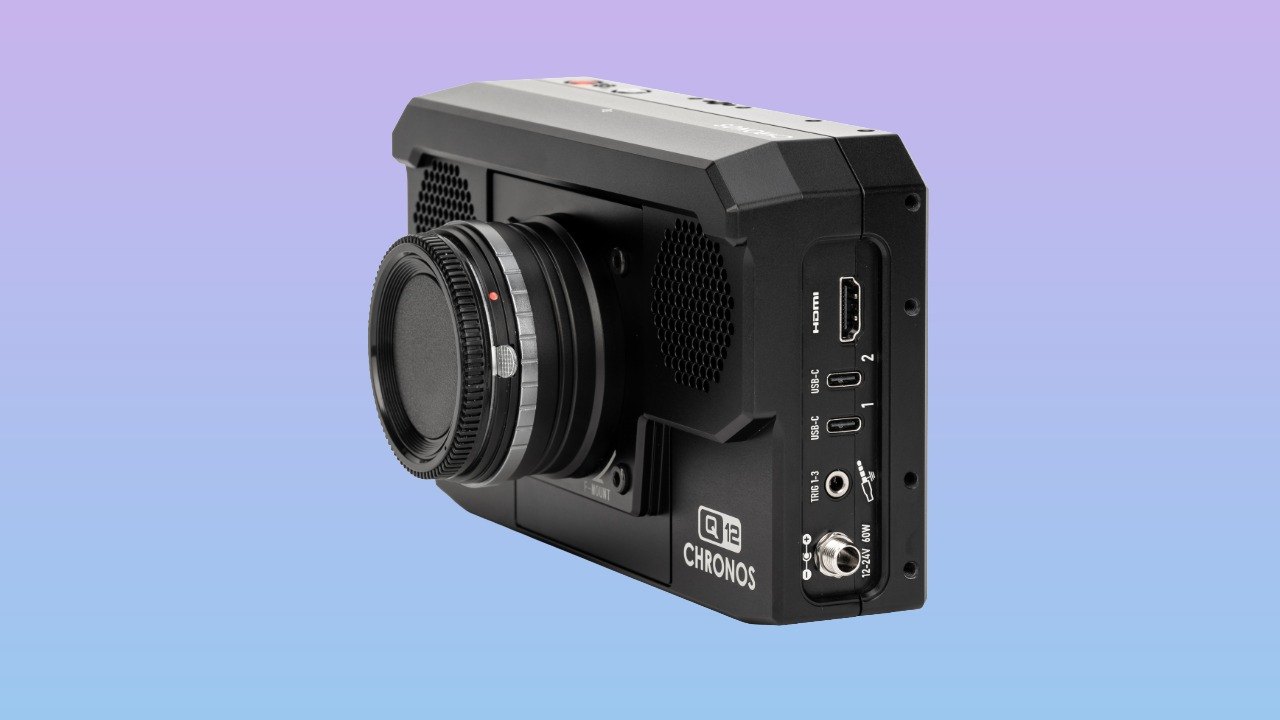
Triggering is managed through two inputs on a 4-pin 3.5mm TRRS connector, supporting end trigger, toggle, exposure trigger, shutter gating, and frame sync output. The camera’s rated sensitivity ranges from ISO 80 to 640 for the color model. At 2,000 fps with a 180° shutter, the exposure time is 1/4000 second. The 9 µm pixel pitch ensures workable performance at these high frame rates. The camera comes in two configurations: a 64GB version for $19,995 and a 128GB option priced at $21,995. Each includes the buyer’s choice of pre-installed mount plate.
Sensor Upgrades Boost Resolution
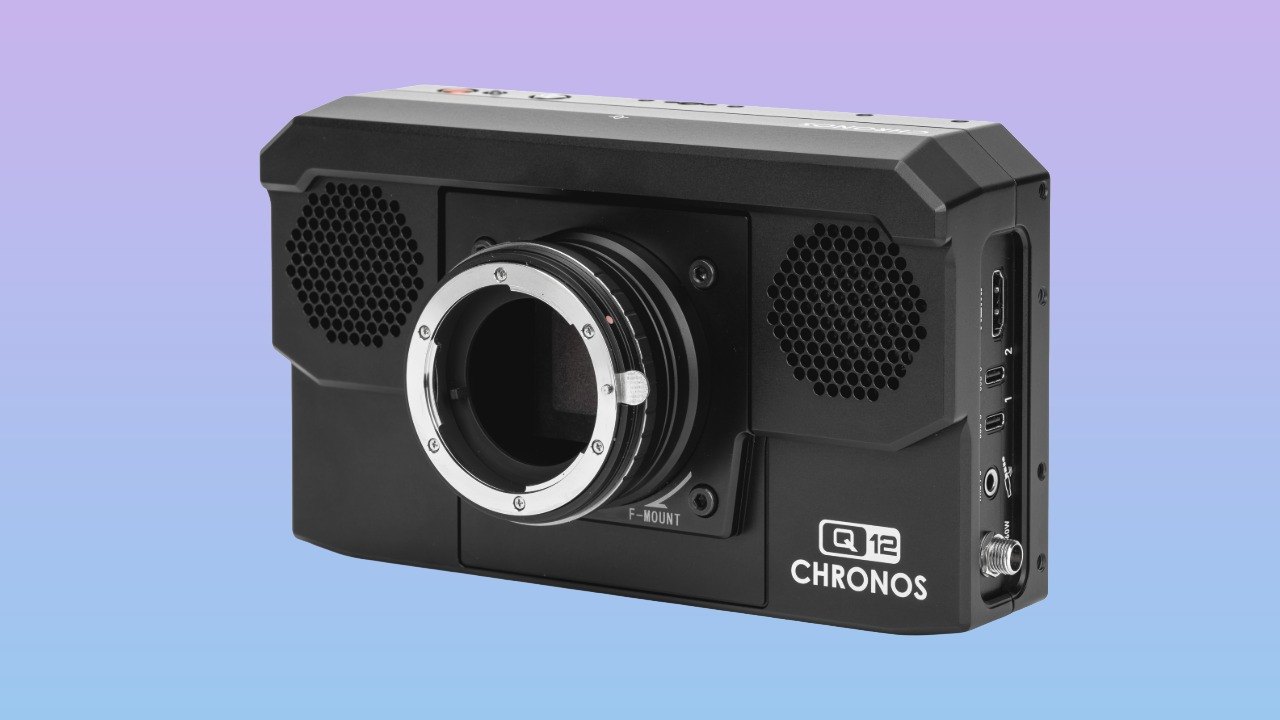
The Chronos Q12's sensor measures 23.04 x 18.14mm (0.91 x 0.71in) with a 1.5x crop factor and a native resolution of 2560 x 2016 pixels. This upgrade from the original spec sheet means that while maintaining high-speed capabilities, the camera now offers more detailed imagery across its full sensor frame without sacrificing performance at lower resolutions. The 2048 x 2016 window is still available at 2,782 fps in 8-bit mode, which keeps backward compatibility and versatility for different shooting needs.
The dynamic range of the Chronos Q12 is notable, with 11.26 stops (67.6 dB) in 12-bit mode and 8.35 stops (50.1 dB) in 8-bit mode. This allows cinematographers to capture a wide range of light conditions without significant loss of detail or noise in darker areas. The sensor's improved resolution means better clarity for close-ups and detailed shots, which is crucial for high-speed photography where every frame counts.
Frame Rate Options Expanded
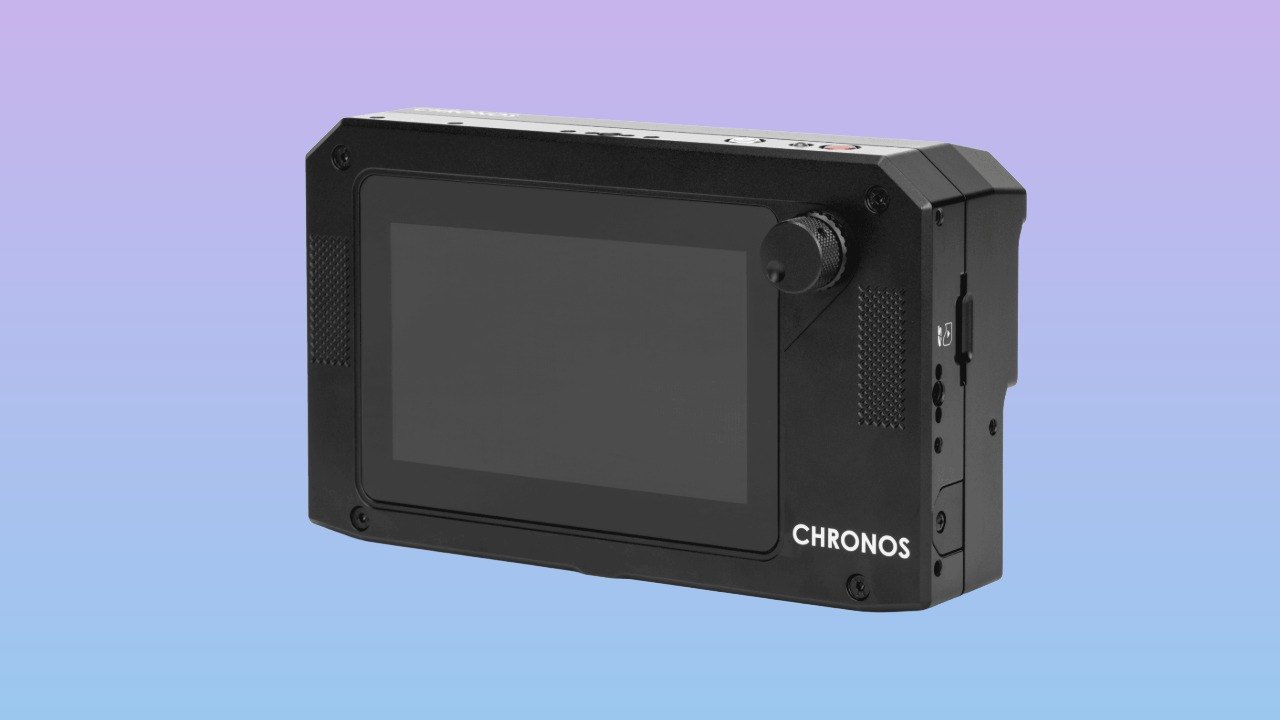
The Chronos Q12 offers expanded frame rate options compared to its predecessors. At 2560 x 1440 resolution, the camera reaches 3,116 fps, providing high-speed capture for detailed slow-motion sequences. Dropping down to 1920 x 1080 resolution boosts the frame rate to 5,148 fps, ideal for scenarios requiring both detail and speed. Further reducing the resolution to 1536 x 864 pushes the limit even higher, hitting 7,471 fps, which is useful for extremely fast action or special effects work.
The Q12's performance peaks at its minimum window of 128 x 32 pixels, topping out at a 29,515 fps. This extreme speed allows for capturing events that are otherwise too quick to see with the naked eye. The range and flexibility of frame rates give cinematographers multiple options depending on their shooting requirements, which keeps they can choose the right balance between resolution and speed for any given scene.
Impact on High-Speed Shoots
The Chronos Q12’s buffer recording allows for capturing high-speed events without missing critical moments due to insufficient storage space. With 5.7 seconds at full resolution on the 64GB model and double that time on the 128GB version before saving to an internal SSD, SD card, USB-C drive, or network share, it ensures continuous recording during intense shooting sessions. This buffer system is crucial for high-speed shoots where sudden bursts of action need to be captured instantly without interruption.
The Q12’s global shutter and ISO range from 80 to 640 provide flexibility in various lighting conditions, essential for maintaining image quality across different environments. The camera's ability to switch between frame rates based on resolution, ranging from 975 fps at 12-bit capture down to 3,116 fps at a higher resolution and up to an astounding 29,515 fps at its minimum pixel window, offers cinematographers precise control over their footage. This adaptability is key for high-speed shoots where both speed and detail are critical factors.