
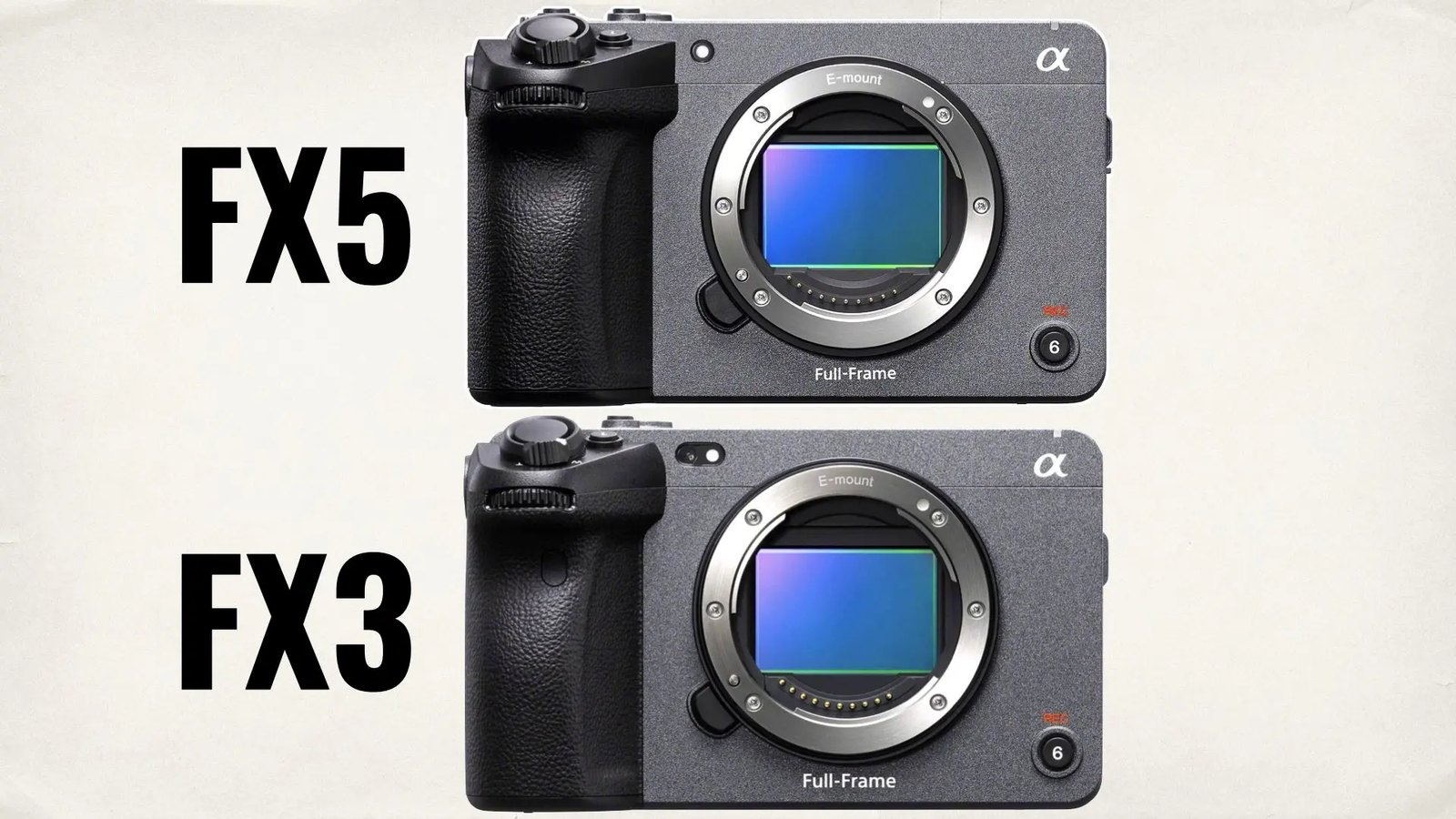
The Sony FX3A has climbed back to $4,298 on Amazon, up $400 from the $3,898 price it held before Sony introduced the FX5 on July 22, 2026. That $4,298 figure is the highest Amazon has recorded for the camera in the past 30 days and sits just a dollar below Sony's official U.S. list price of $4,299.99. The discount is gone. What was a $1,002 gap between the FX3A and the new FX5 is now roughly $602.
What Actually Changed
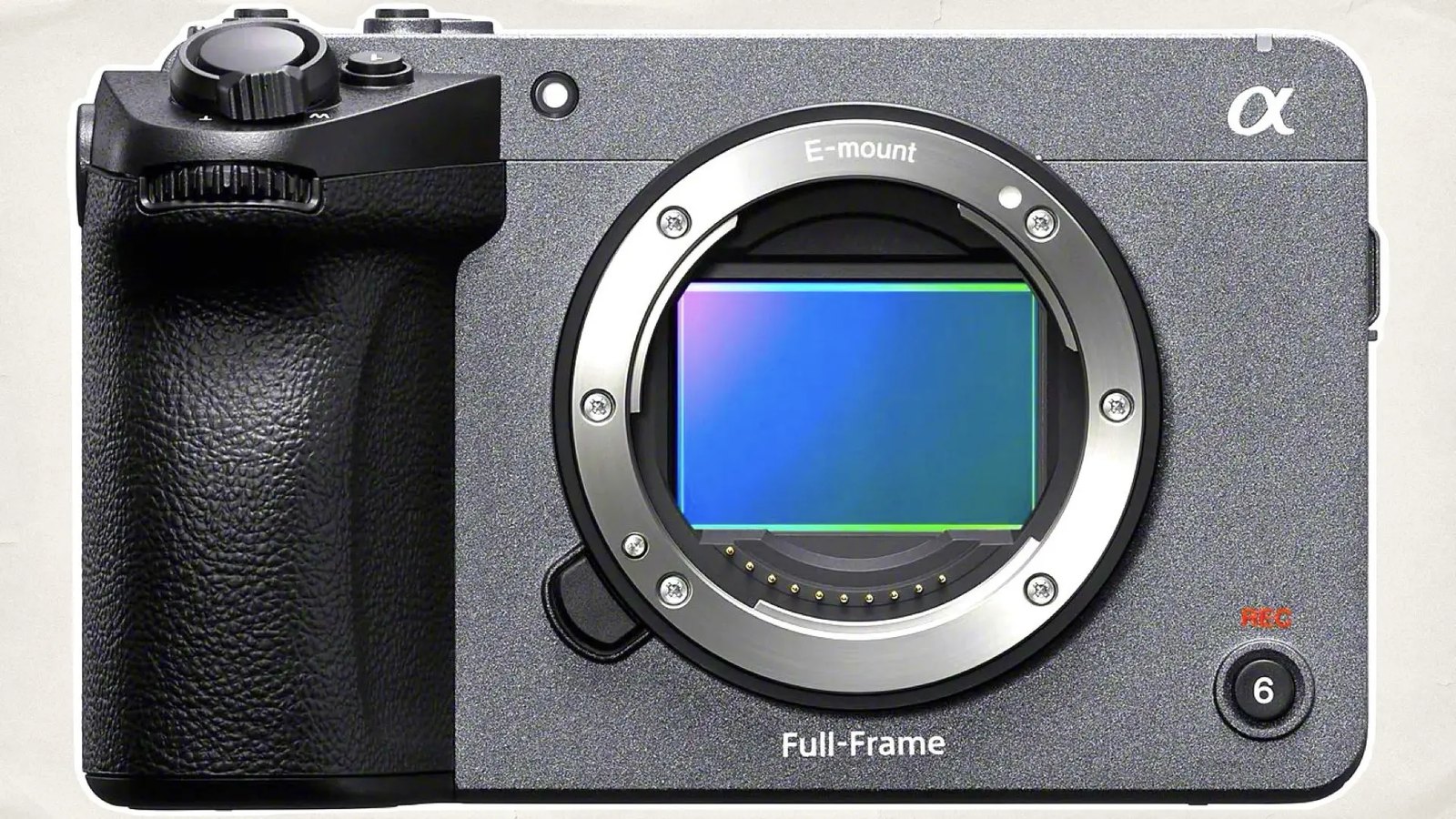
Before the FX5 announcement, a buyer comparing the two compact Cinema Line bodies saw a clean thousand-dollar spread. The FX3A at $3,898 was the obvious budget pick. At $4,298, the math is different. The FX5 lists at approximately $4,900 body-only. A $602 difference between the two cameras is close enough to make people pause and reconsider which body they actually want.
Amazon prices shift for many reasons: promotions ending, inventory changes, seller rotations. Y.M. Cinema, which first reported the price movement, notes that the timing does not prove the FX5 launch directly caused the increase. But the result is a tighter, cleaner product ladder. Sony now has two compact Cinema Line bodies separated by about 14% in price rather than 25%.
The FX5 on Paper
Sony lists the FX5 with a newly developed 5K full-frame stacked Exmor RS CMOS sensor and BIONZ XR2 processing. It records Open Gate and offers internal X-OCN recording, which connects it to the VENICE 2 workflow. That last point matters on set. X-OCN is Sony's compressed RAW format. Shooting it internally, without an outboard recorder, means one less box on the rig, one less cable, and one less point of failure during a take.
Open Gate is the other headline. It gives you the full sensor area, which means more flexibility in post for reframing, stabilization crops, or delivering multiple aspect ratios from a single shoot. Commercial and social teams already do this constantly. Having it native on a body this size removes the workaround of shooting wider glass and cropping in the timeline.
Where the FX3A Still Works
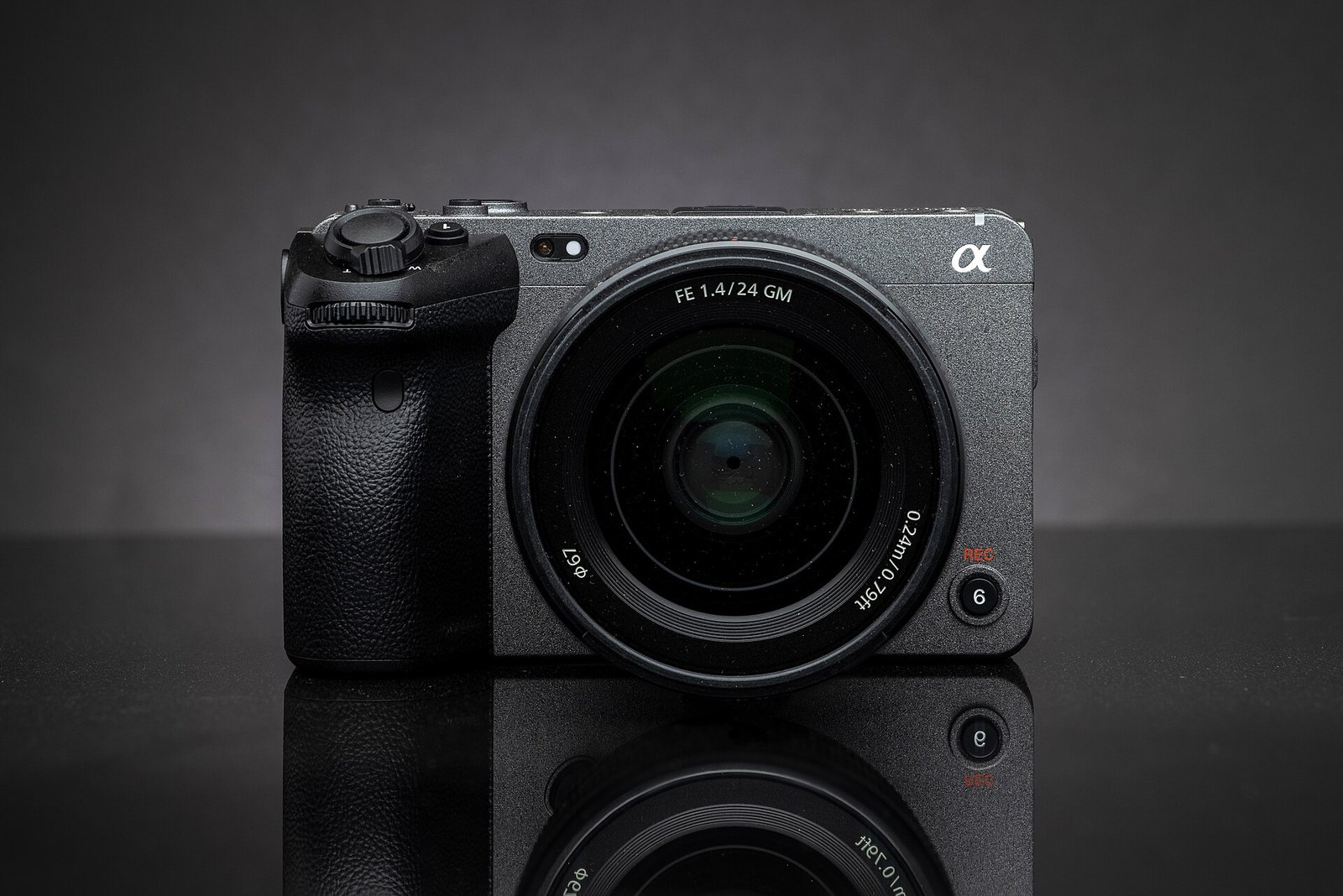
The FX3A is not suddenly a lesser camera because a newer sibling showed up. It records 4K at up to 120p with 10-bit 4:2:2 internal color. It has active cooling, so it does not overheat during long interview days or event coverage. It ships with an XLR handle that gives you two proper audio inputs without an adapter. For a B-cam on a narrative shoot, a run-and-gun doc body, or a one-operator corporate job, the FX3A does exactly what it did last month.
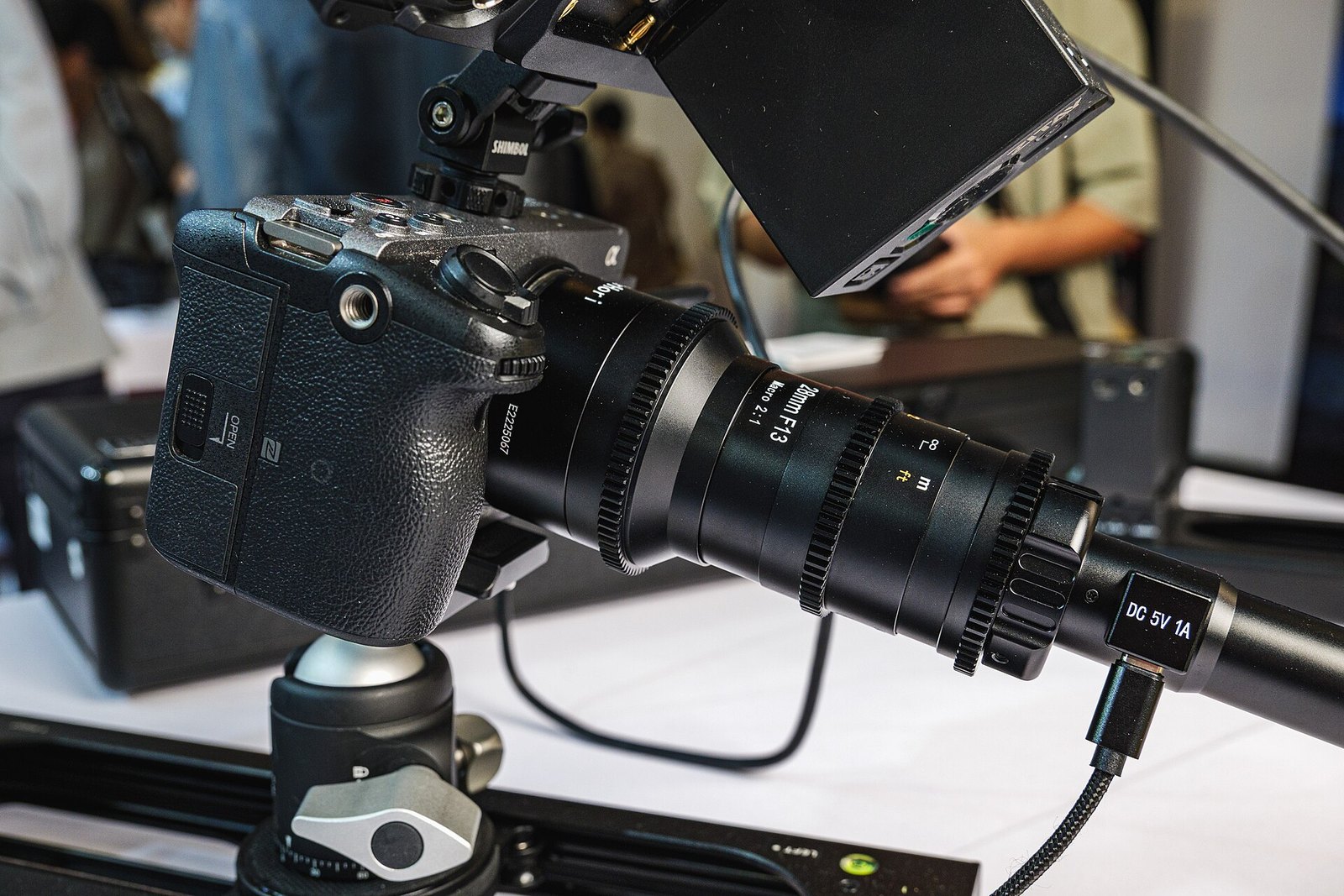
The camera is also small and light enough to rig on a gimbal without counterweight headaches. Camera assistants like it because it goes from the case to a ready-to-roll state quickly. It takes Sony E-mount glass natively, so the lens library is deep. Pair it with a 24-70mm GM or a set of Rokinon cine primes and you have a capable package for well under the cost of a larger cinema body.
The Rental Calculation
For productions that rent rather than buy, the purchase price gap matters less than the capability gap. The question is not whether to spend $4,298 or $4,900. The question is whether the shoot needs internal RAW, Open Gate framing, or the newer sensor architecture. If it does, the FX5 is the body to book. If the job is straightforward 4K delivery with solid color and reliable cooling, the FX3A will do the work without costing the production more in daily rental.
We see this pattern every time a manufacturer slots a new body above an existing one. The older camera does not get worse. But the conversation changes. Producers start asking for the newer body by name. DPs want to test it. The first few months after launch, availability is tight and rental rates reflect that. The FX3A becomes the smart fallback: proven, available, and capable of matching on most jobs when you cut it with the same glass.
What to Watch
Sony's compact Cinema Line now has a real ladder. The FX3A at $4,298 and the FX5 at $4,900 are close enough in price that the spec differences drive the decision, not the budget. That is a deliberate product structure, whether Amazon's pricing shift was coordinated or not.
For anyone shopping or spec'ing a camera package in the next few months, the practical advice is simple. Handle both bodies if you can. The specs tell you what they record. They do not tell you how they feel on a gimbal, how the menus behave under pressure, or how the image looks through your glass on your monitor. The FX5 will land in rental inventories soon. When it does, test it against the FX3A on the same lens set and the same scene. That comparison will tell you more than any price chart.