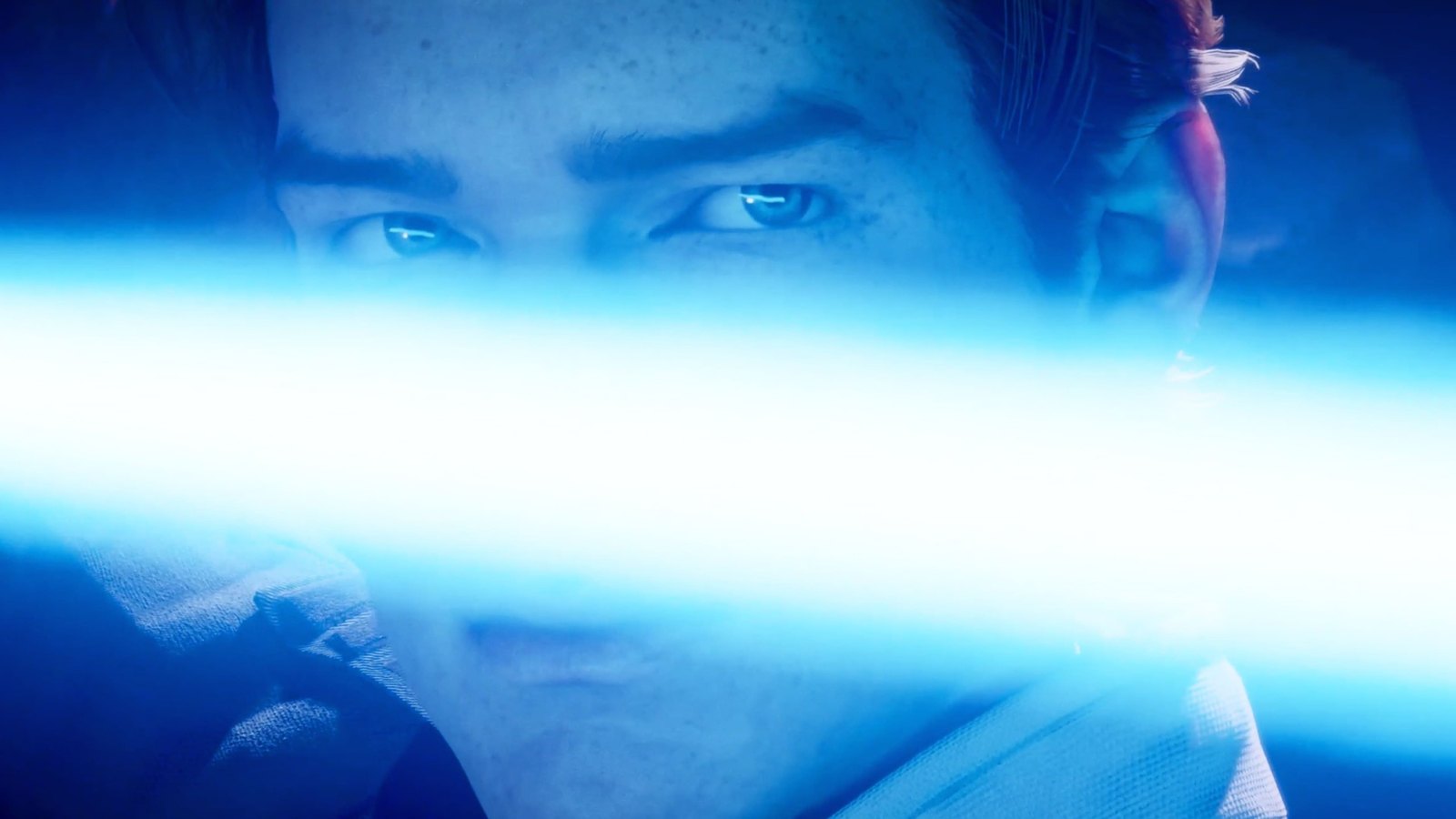
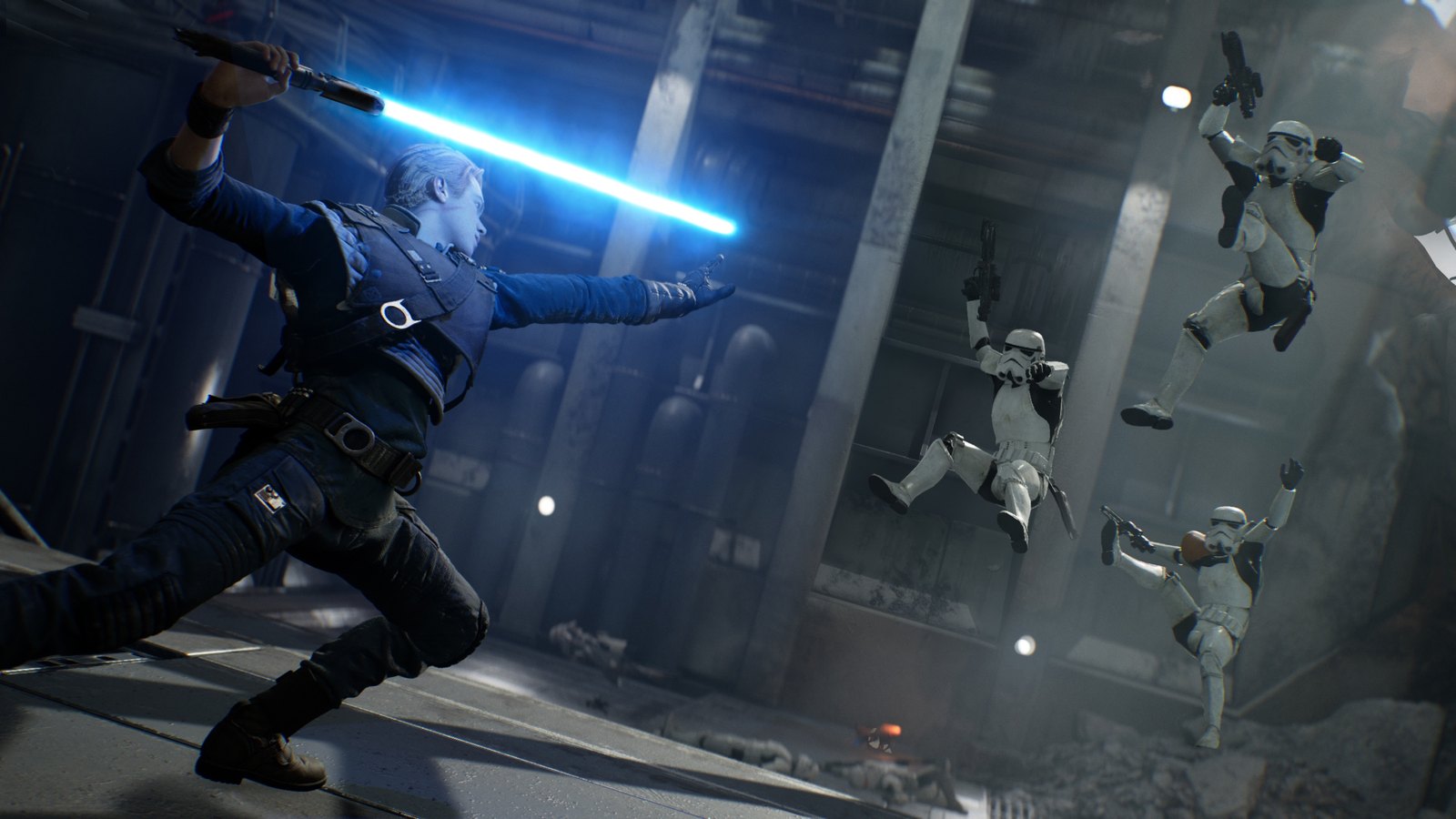
Collider published a ranked list of eight essential Star Wars video games this week, spanning two decades from Star Wars: Knights of the Old Republic (2003) to Star Wars Jedi: Survivor (2023). For gamers, it is a nostalgia trip. For anyone working in production, the list tells a different story. The same real-time rendering engines behind these titles now drive the LED volumes where Star Wars television shows are actually shot.
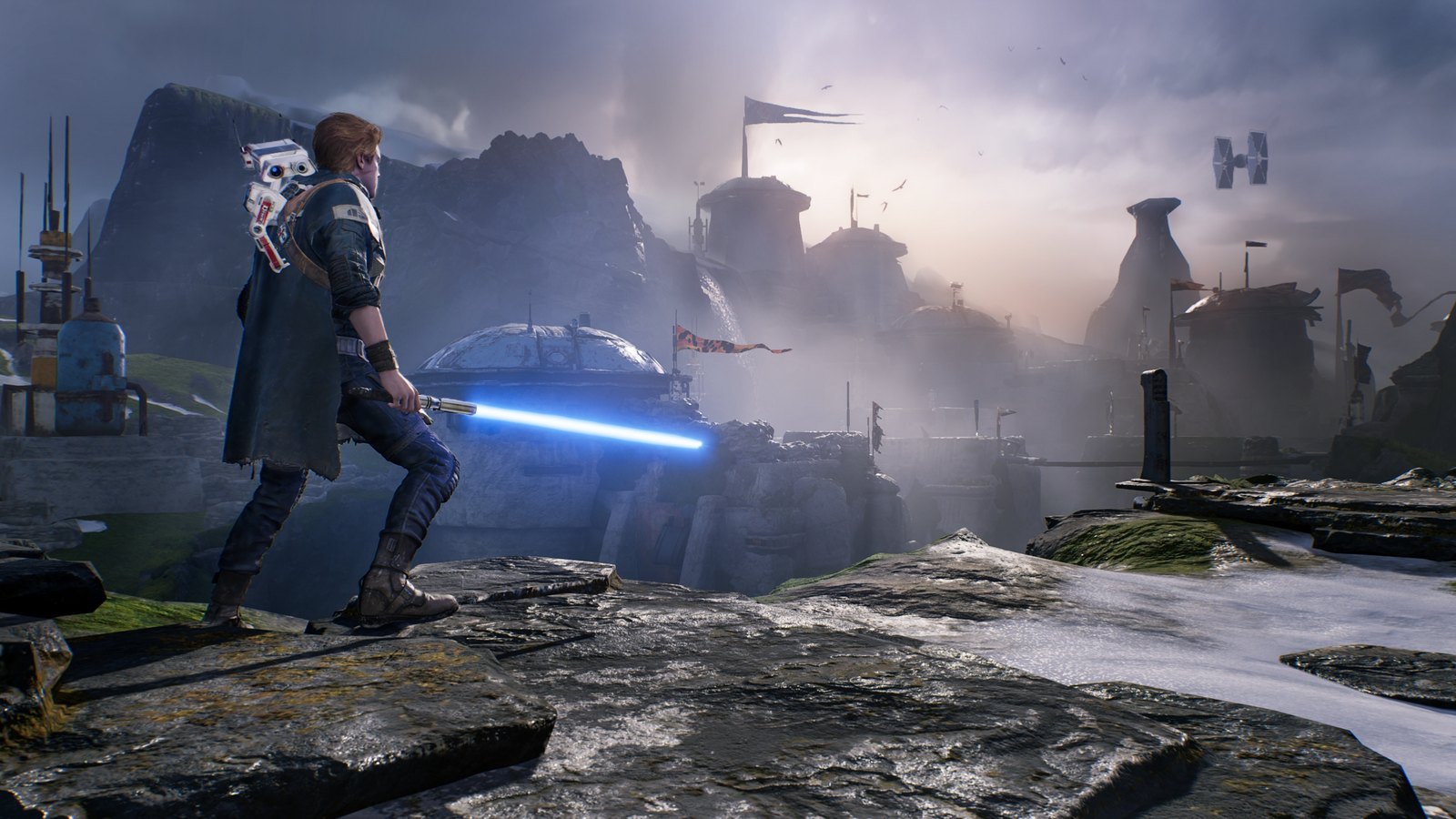
The Unreal Engine Pipeline, from Controller to Camera
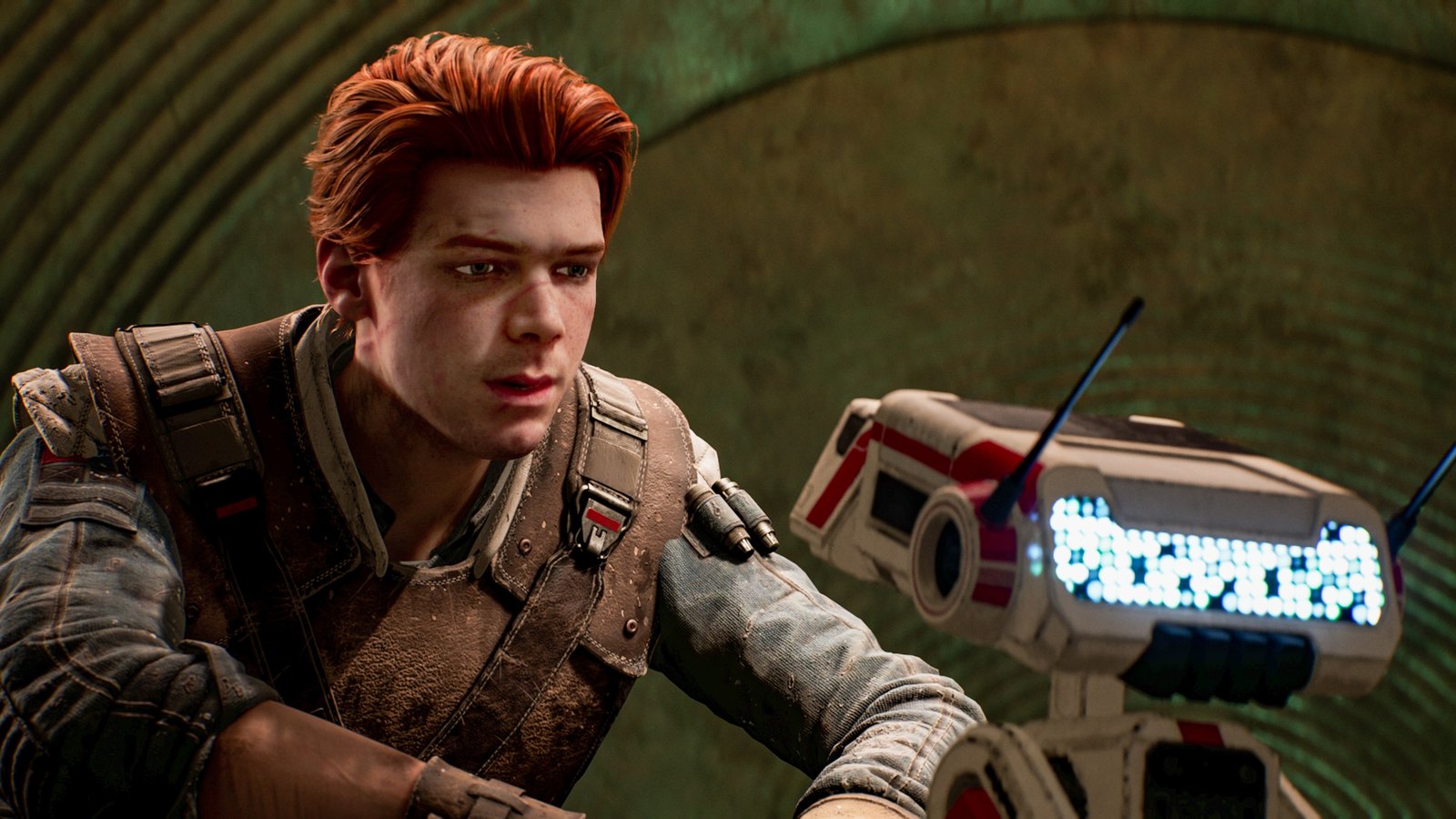
Star Wars Jedi: Fallen Order, developed by Respawn Entertainment and released in 2019, runs on Unreal Engine 4. Cameron Monaghan performed voice and motion capture for protagonist Cal Kestis. Its sequel, Jedi: Survivor, also runs on Unreal Engine 4, with reports that a potential third entry may move to Unreal Engine 5.
That matters because ILM's StageCraft, the virtual production system built around LED video walls known as The Volume, runs on the same Unreal Engine. The Mandalorian, The Book of Boba Fett, Obi-Wan Kenobi, Andor, Ahsoka, and Skeleton Crew have all used StageCraft stages. The Volume surrounds live-action performers with high-definition LED walls displaying CGI environments rendered in real time. The background shifts with the camera. No green screen compositing required in post.
The rendering techniques that make Cal Kestis look convincing in a game are the same techniques that put a DP's actors on an alien planet during principal photography.
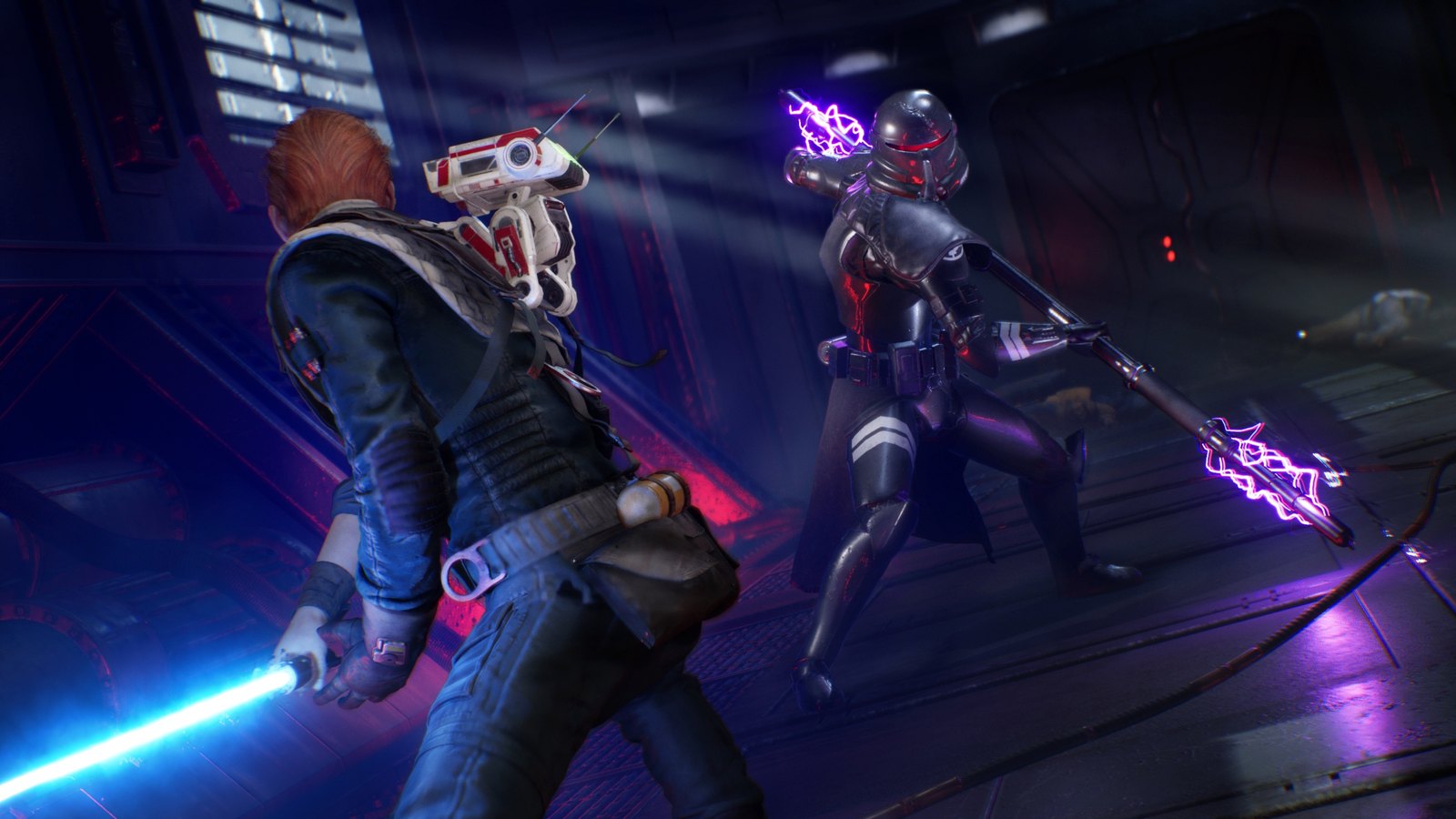
Frostbite and Photorealism on the Battlefront
Star Wars Battlefront II (2017), developed by DICE with campaign work by Motive Studios and starfighter combat by Criterion Games, runs on the Frostbite 3 engine. Collider notes the game launched to heavy criticism over loot box mechanics but underwent one of the largest turnarounds in live-service gaming history. The visual side was never the problem. Frostbite rendered Star Wars environments at a fidelity that blurred the line between game footage and film footage.
That photorealism pushed the same direction production pipelines were already heading. When a game engine can produce imagery indistinguishable from a camera negative at first glance, the question for DPs stops being whether virtual production works and becomes how to light for it.
Performance Capture Is Performance Capture
Cameron Monaghan's mocap work on the Jedi series uses the same fundamental technology as feature film performance capture. Markers on a body. Cameras tracking movement. Facial capture driving a digital face. The stages, the suits, the software overlap significantly between AAA game production and VFX-heavy film work.
Jedi: Survivor's development team described their approach to cutscenes as intentionally gritty, visceral, and grounded, language that sounds like a DP's brief, not a game designer's. When a game studio talks about grounding its virtual camera work in physical cinematography principles, the two industries are no longer parallel. They share a workforce, a toolset, and increasingly a visual language.
What the Rest of the List Tells Us
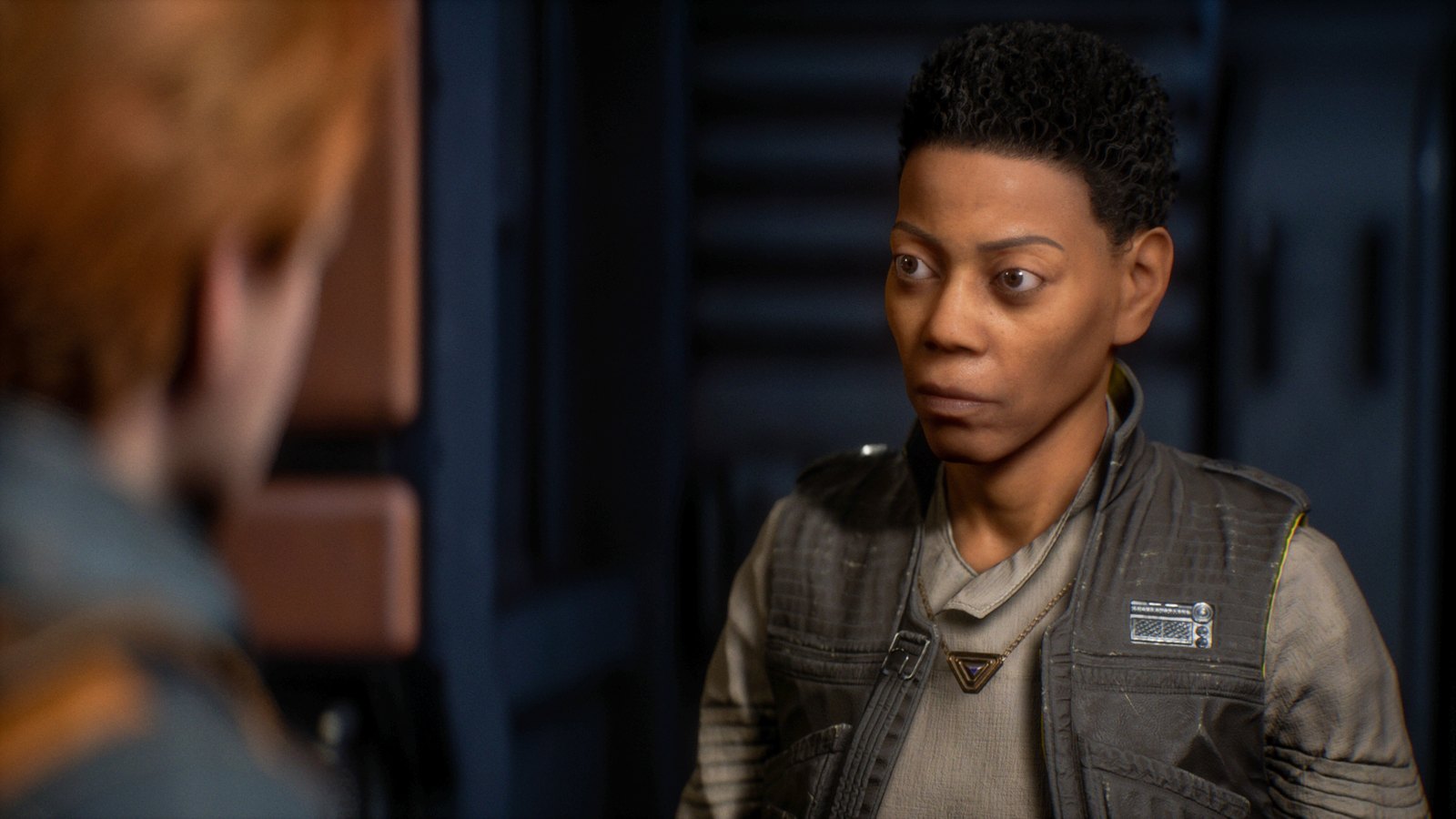
Collider's full list includes Star Wars: Republic Commando (2005), a tactical shooter from LucasArts that Collider calls one of the best military sci-fi games of its decade. Lego Star Wars: The Complete Saga (2007) also makes the cut. Star Wars: Knights of the Old Republic, developed by BioWare and released in 2003, appears in the rankings alongside Star Wars Jedi Knight II: Jedi Outcast.
These older titles matter to the production story too. KOTOR proved that cinematic storytelling, branching narrative, and film-quality voice direction could carry an interactive experience. The Old Republic MMO later doubled down with cinematic trailers produced at feature-film quality and an expansion, Knights of the Fallen Empire, built explicitly around what BioWare called cinematic storytelling. The line between writing for games and writing for screens has been thin in Star Wars for over twenty years.
What This Means on Set
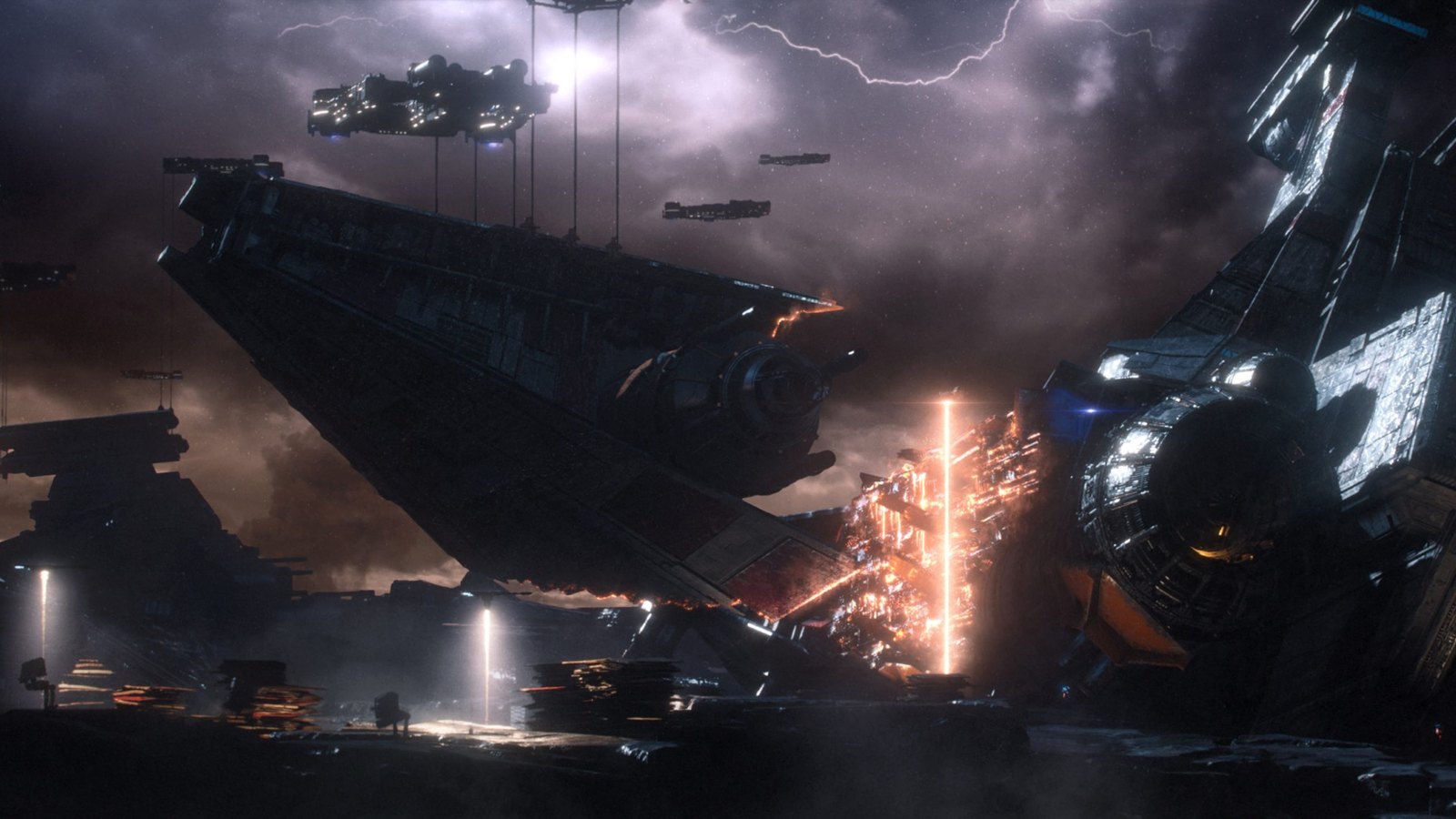
Virtual production stages running Unreal Engine are not hypothetical future tech. They are active rental items. LED volumes require specific camera and lens choices. Shutter angle, frame rate, and moiré management all change when the background is a physical wall of pixels rather than a green screen or a location. Lens coatings that handle LED color rendition differently become part of the conversation. So does genlock synchronization between camera and wall refresh rate.
The engines built to render Star Wars games are now the engines that determine what glass you put on the front of your camera. If you are prepping a shoot that involves LED volume work, the choice of sensor, lens, and monitoring pipeline ties directly back to how that real-time rendered environment interacts with your optics.
We keep inventory across the camera systems and lens sets that pair well with volume stages. If your next project puts talent in front of an LED wall, talk to us about the sensor and glass combination that will actually work with the stage you have booked.