
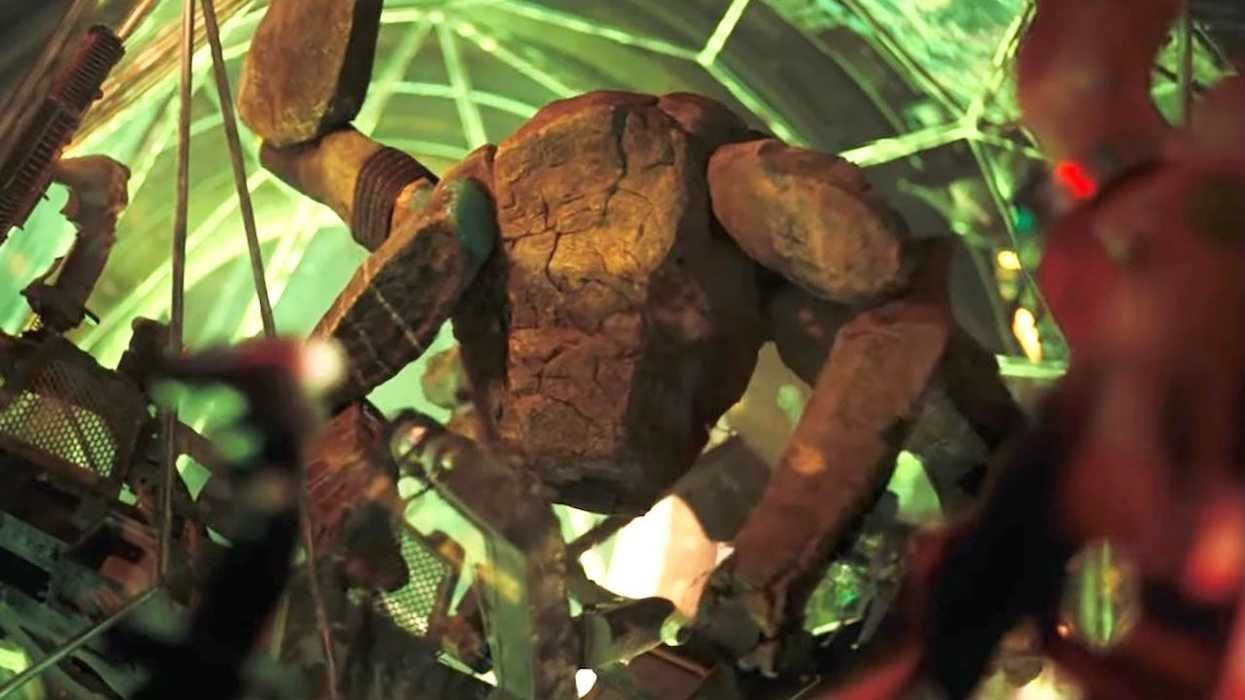
Joel Negron, ACE, edited "Project Hail Mary" from an initial six-hour cut. He worked closely with directors Phil Lord and Chris Miller during production at Shepperton Studios, cutting scenes soon after they were shot. Negron used storyboards and rudimentary cartoons to visualize Rocky's side of the scenes before James Ortiz voiced the character. The film had to work across various formats, from IMAX to standard theaters, requiring careful attention to framing adjustments for different screen sizes.
BTS Editor Joel Negron on Project Hail Mary Editing
Negron spoke candidly about the editing process for "Project Hail Mary," focusing on how the film's success resonates with him personally and professionally. He highlighted the challenges of shooting Rocky scenes, which required careful consideration during the editing phase to ensure they met audience expectations. The editor emphasized that these sequences needed to be compelling and impactful, given their significance in the narrative. This meant making tough decisions about what footage to keep and what to cut from a six-hour first cut down to a more manageable runtime.
Negron also discussed the technical demands of the film's release across different formats, from IMAX to standard theaters. which keeps that the movie looked good on all platforms was crucial, as it affects how viewers perceive the final product. He noted that when you're in your twenties, shyness can be a natural part of the experience, reflecting on his own journey and the challenges he faced during the project's development.
Cutting Across Multiple Formats Efficiently
Negron faced technical challenges when "Project Hail Mary" was released across various formats, from IMAX to standard theaters. which keeps the film looked good on all platforms required meticulous attention to detail and adaptation of shots for different screen sizes. He often had to picture how a scene would appear in smaller frames, adjusting it accordingly so that transitions from small to large did not jar viewers.
This process meant constantly checking the final framing of each shot before making adjustments. It was crucial to maintain visual cohesiveness across all viewing formats without compromising the narrative or audience immersion. Handling these details effectively allowed Negron to deliver a consistent and engaging cinematic experience, regardless of where or how it was watched.
Adjusting Shots for Different Theater Sizes
Negron had to adjust shots for different theater sizes from IMAX to standard formats. This meant constantly checking the final framing of each shot before making adjustments. He worked closely with directors Phil Lord and Chris Miller during filming at Shepperton Studios, which keeps that scenes cut from storyboards or pre-visualized cartoons fit well in all screen sizes.
Adjusting for different platforms required meticulous attention to detail. Negron had to picture how a scene would look on smaller screens, making necessary changes to maintain visual cohesiveness without losing narrative impact. This process was crucial for delivering a consistent and engaging cinematic experience regardless of the viewing format.
Implications for Film and Camera Rentals
Negron's approach to editing Project Hail Mary involved an early start during production at Shepperton Studios. He showed Lord and Miller scenes shot just days earlier, a process that informed his cutting decisions throughout the project. This method allowed for real-time feedback and adjustments, crucial for maintaining narrative flow and emotional impact across varying screen sizes. The challenge of which keeps the film looked good on all platforms required constant attention to detail, from IMAX to standard formats.
Negron's failure to meet assistant editors and editors initially hindered communication but likely led to a more streamlined approach later in the project. This experience underscores the importance of clear direction and collaboration among editorial teams, especially when dealing with complex visual effects like those in Project Hail Mary. The film’s reliance on practical effects rather than green screens also impacts rental decisions for shoots, emphasizing the need for versatile equipment that can handle both traditional and innovative filming techniques without breaking budget constraints or compromising quality.