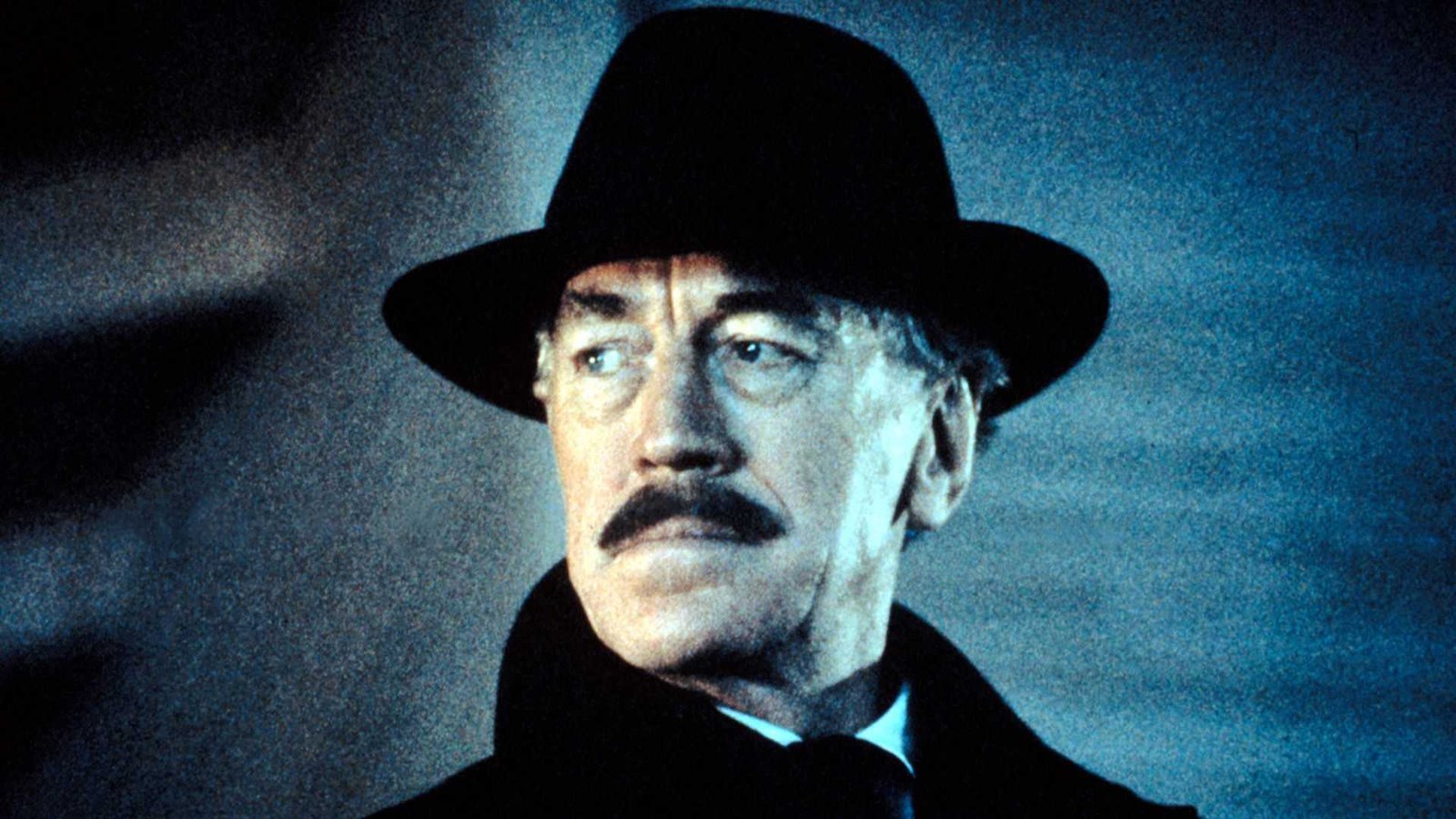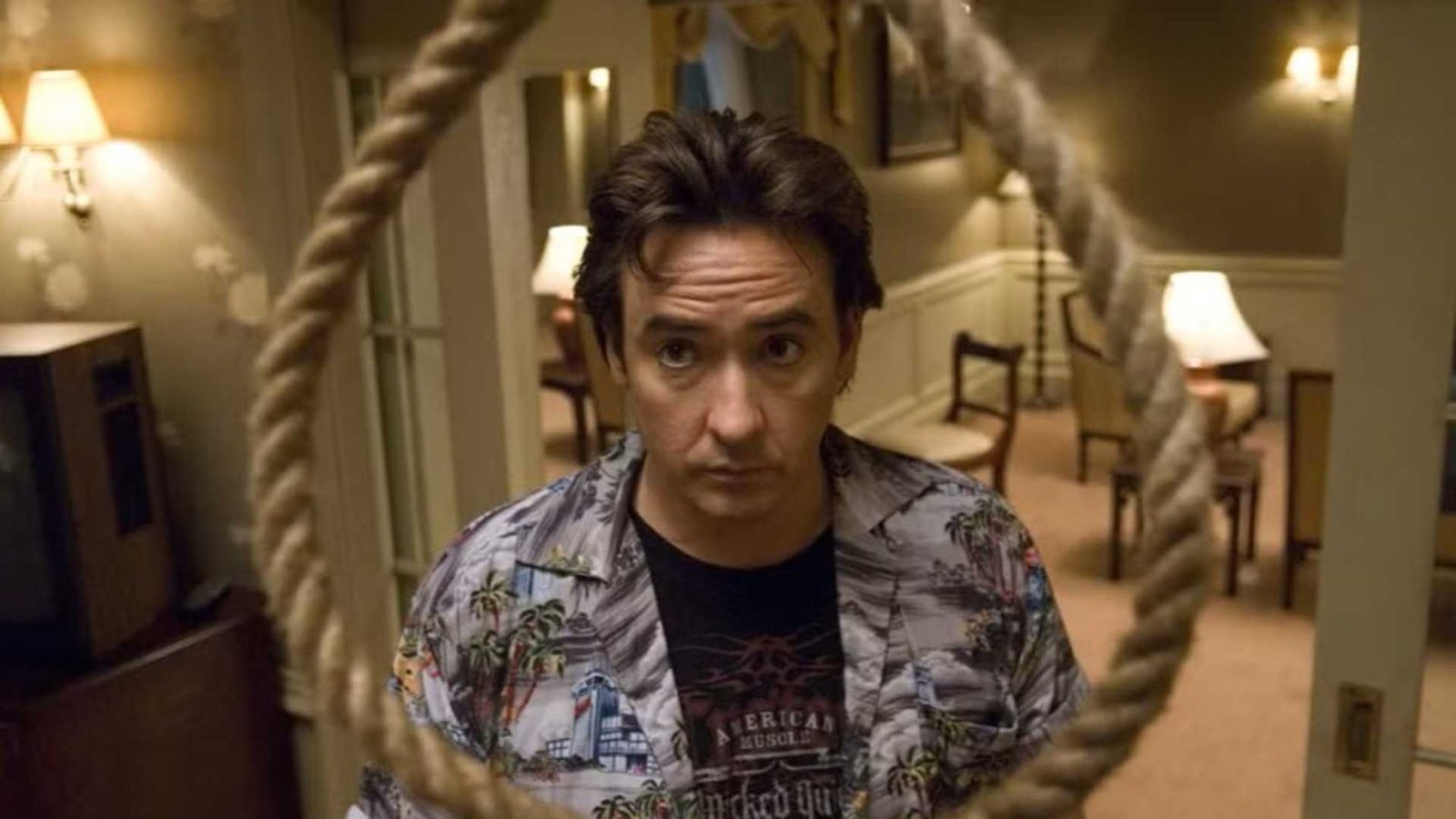
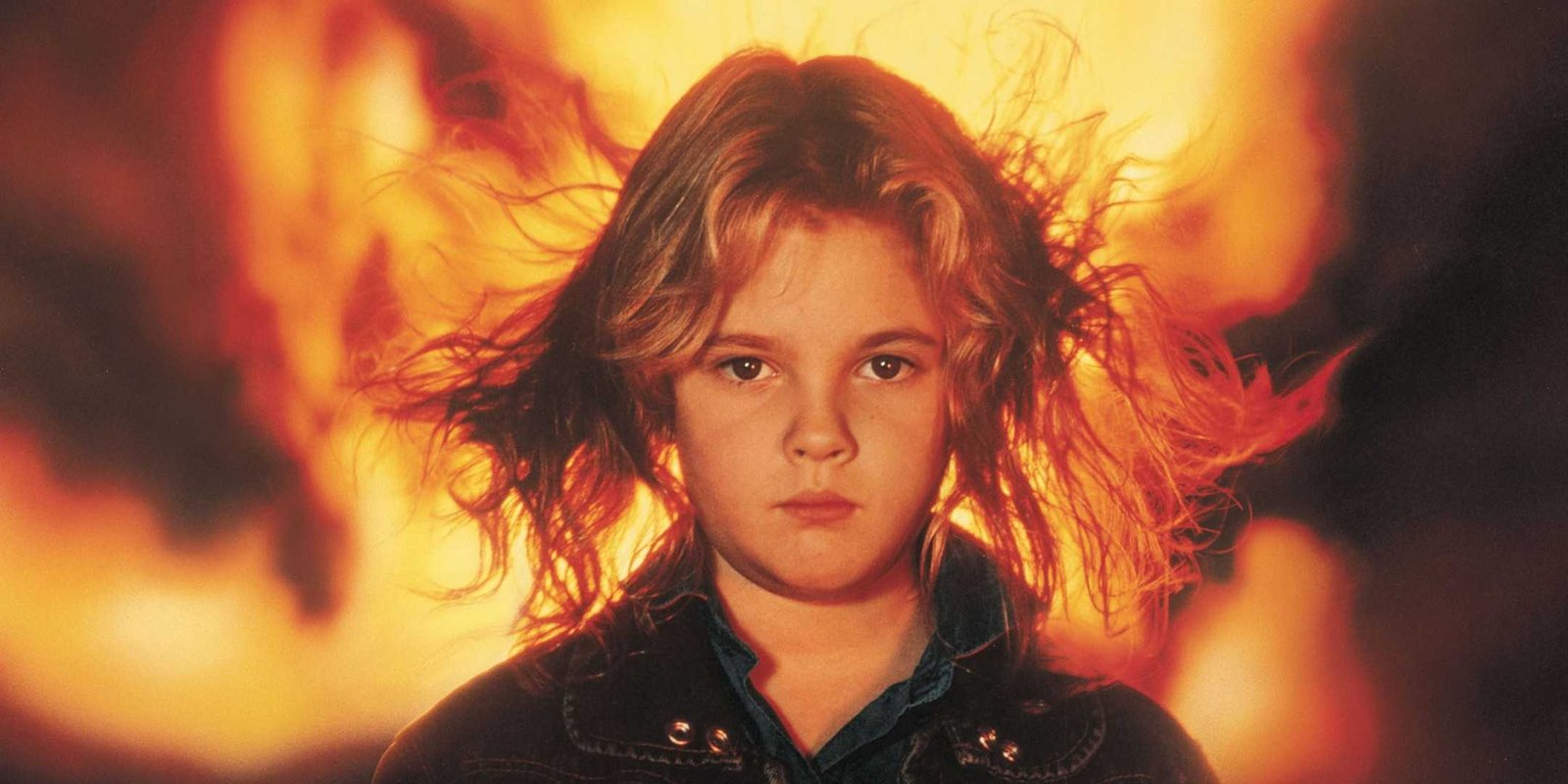
Screen Rant suggests six Stephen King adaptations that could benefit from prequel TV shows expanding their narratives. The Overlook Hotel's mysterious past, including its World War II history and the elevator blood scene from "The Shining," offers rich material for exploration. A prequel series could delve into the hotel’s construction and earlier haunting events. Similarly, a miniseries on Annie Wilkes' background before her encounter with Paul Sheldon in "Misery" would provide depth to her character's psyche. For "1408," a show explaining Room 1408's troubling history could uncover its unique New York City setting during gentrification.
Exploring The Shining's Overlook Hotel Past
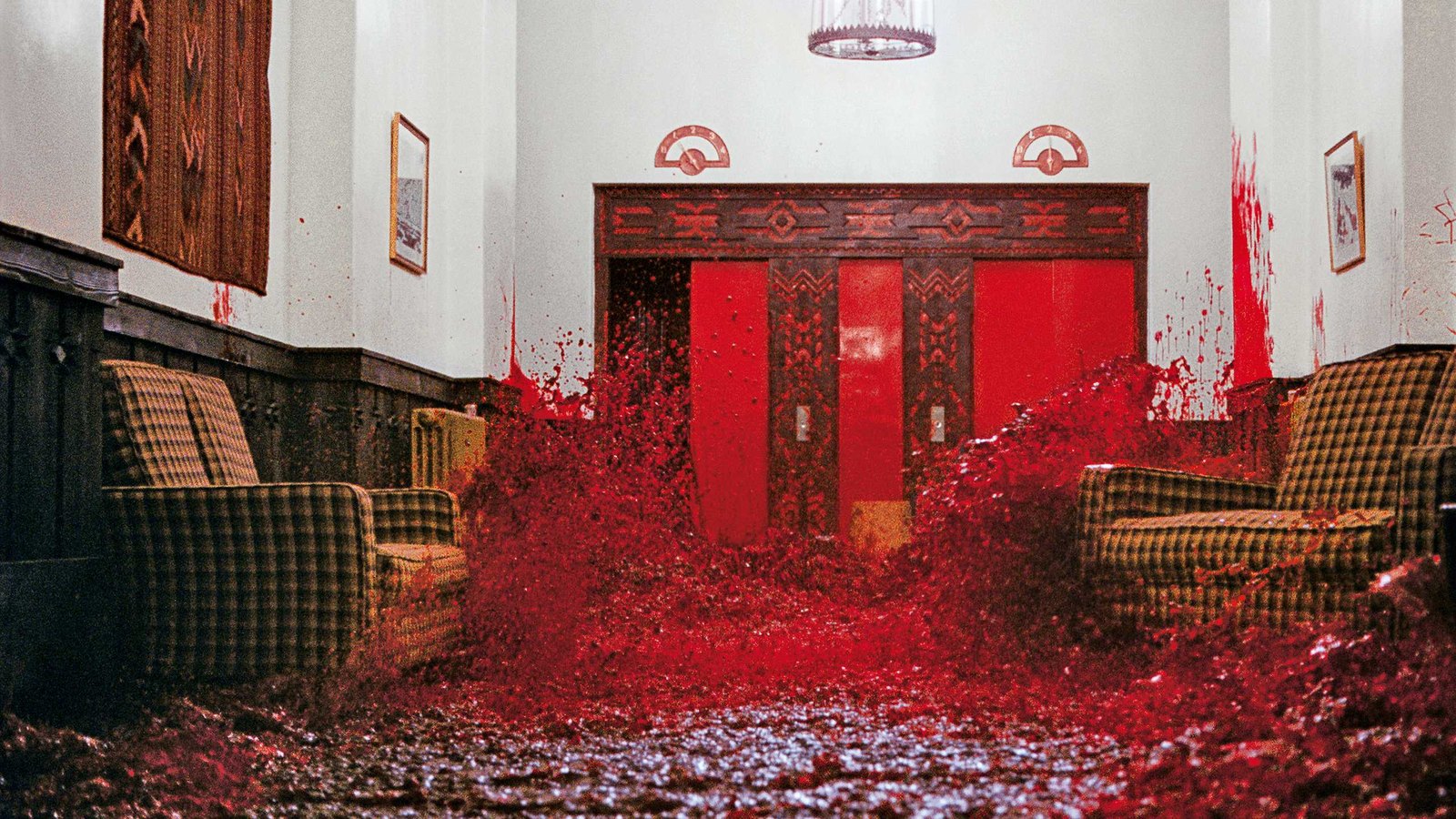
The elevator blood scene from The Shining is iconic, but the film barely scratches the surface of the Overlook Hotel's dark history. A prequel could delve into Judd’s story about a World War II soldier revived at the hotel after dying in battle. This backstory would add layers to the supernatural elements and the cursed nature of the establishment. Exploring these themes through a miniseries format allows for more intricate storytelling, building tension as viewers learn about the hotel's past alongside the characters.
For cinematographers and directors looking to capture the eerie atmosphere of such material, consider using long takes and minimal camera movements to emphasize the isolation and dread. The use of natural light or subtle lighting setups can enhance the haunting ambiance without relying on flashy effects. This approach aligns with the style of Kubrick’s original film, maintaining a sense of realism that grounds the supernatural elements in disturbing plausibility.
Annie Wilkes' Early Years Unveiled
Annie Wilkes' early years could be explored through a prequel series that delves into her abusive past and twisted psyche before she became the antagonist in Misery. This would provide insight into how her obsession with Paul Sheldon evolved from trauma and mental instability. Directors and cinematographers would need to capture the claustrophobic atmosphere of Annie's apartment and the mental institution where she was treated as a child. Using long takes in tight spaces can emphasize the protagonist's fear and vulnerability when dealing with such an unstable environment. Natural lighting or soft shadows cast by harsh lights could enhance the oppressive mood, reflecting Wilkes' internal turmoil without resorting to overtly spooky effects.
The miniseries would benefit from exploring Olin’s warnings about Room 1408 and its connection to Annie's backstory. This might involve flashbacks showing her encounters with supernatural events that shaped her personality. Such a narrative approach requires careful planning of camera angles and movements to keep the audience engaged while maintaining the tension. The use of handheld cameras or Steadicam could mimic the unsettling experience of being in Annie’s presence, adding realism to the psychological horror elements. This technique would help convey the dread felt by Paul Sheldon as he interacts with his captor, making the prequel a compelling watch for Stephen King fans eager to learn more about this complex character.
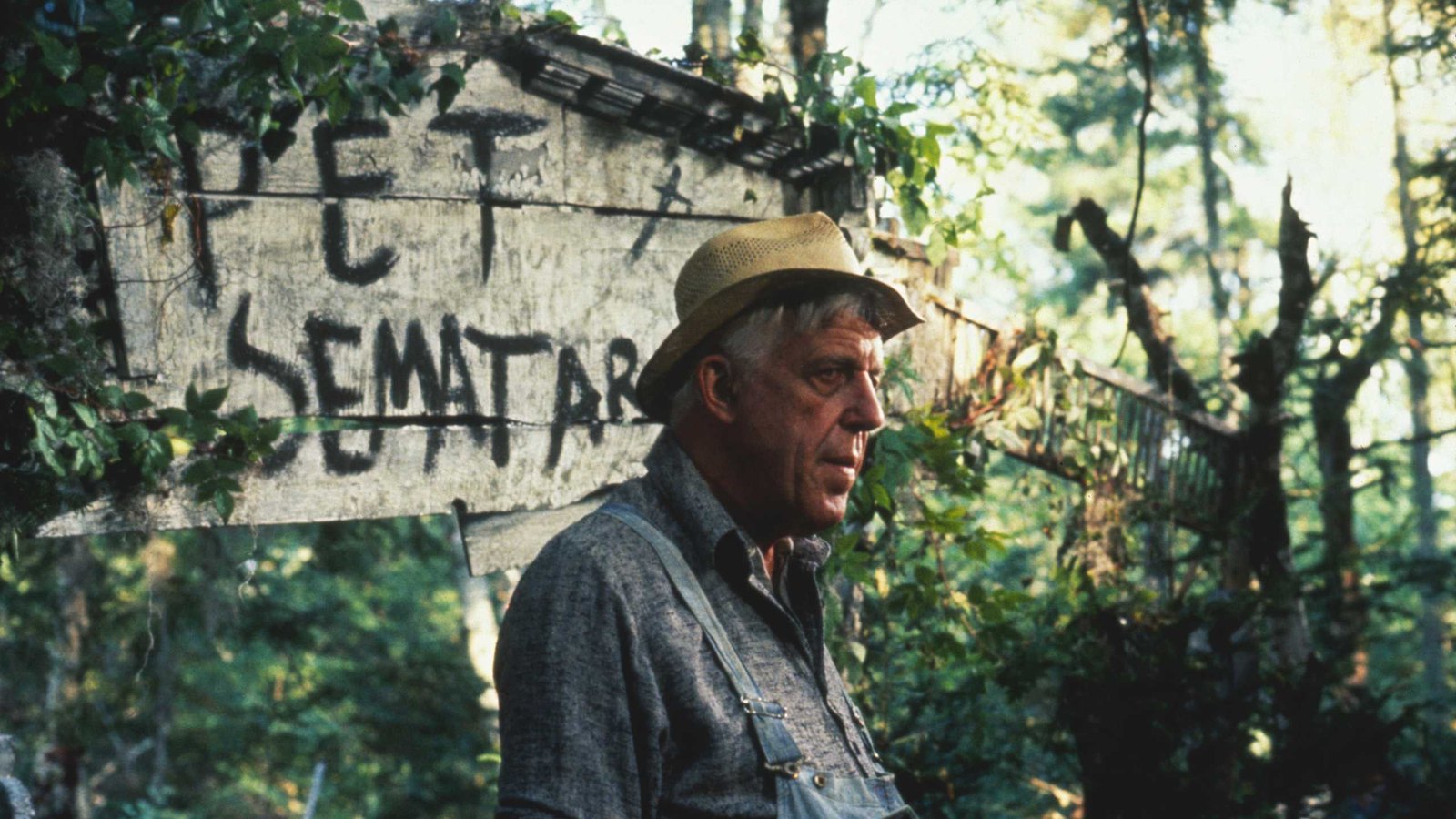
Needful Things: Castle Rock Origins
Leland Gaunt's presence in Castle Rock sets the stage for the unsettling narrative of "Needful Things." In the prequel miniseries, his character would be pivotal to understanding how he manages to manipulate and prey upon the town’s residents despite setbacks. His shop, Needful Things, is a central location where characters like Ralph Anderson encounter items that seem too good to be true, leading them down dangerous paths. The show could delve into Gaunt's backstory, exploring his origins and the supernatural forces at play.
Directors would need to create an eerie atmosphere with lighting that casts long shadows and uses natural light sparingly, emphasizing the menacing nature of Needful Things. Camera work should include close-ups on objects in the shop to highlight their allure and danger, while wider shots capture the isolation of Castle Rock, underscoring how easily Gaunt’s influence can spread unchecked. This approach would help maintain suspense without relying on overt horror elements, focusing instead on psychological manipulation.
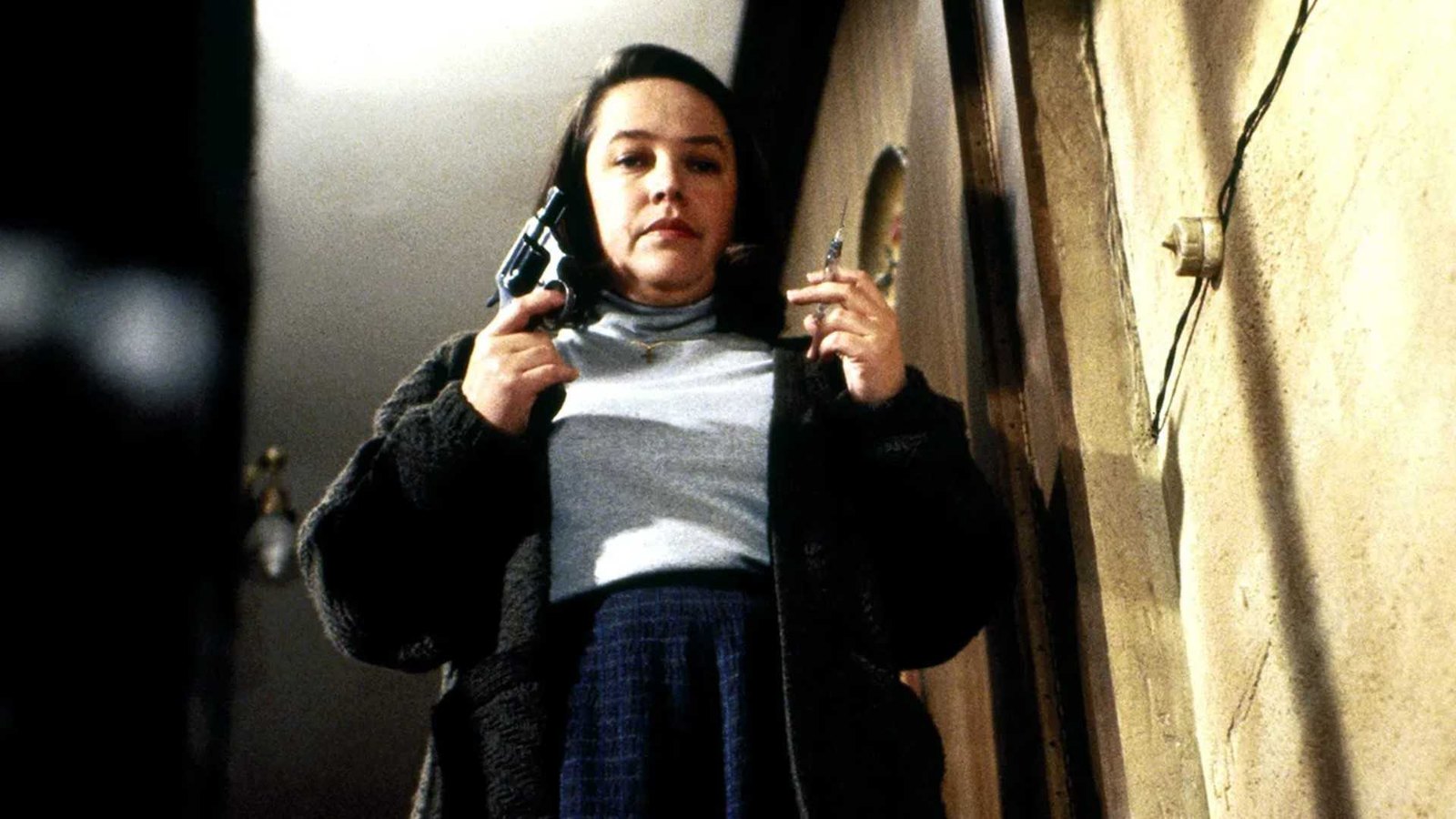
Room 1408's Troubled History Explained
Room 1408's troubled history could be explored through its unique setting during New York City's gentrification period. This contemporary story would allow filmmakers to delve into the specific historical context that shaped Room 1408’s legendary status. The prequel could focus on how the room became a focal point of supernatural activity amidst rapid urban development, highlighting the contrast between old and new in a city undergoing significant change.
To capture this eerie atmosphere, camera work should emphasize the isolation and claustrophobia of the room. Directors would need to use lighting that casts long shadows and minimizes natural light, enhancing the sense of dread and foreboding. Close-ups on objects within Room 1408 could reveal subtle hints about its supernatural nature, while wider shots can underscore the room's separation from the bustling city outside, creating a stark contrast that heightens the tension for viewers.